Image



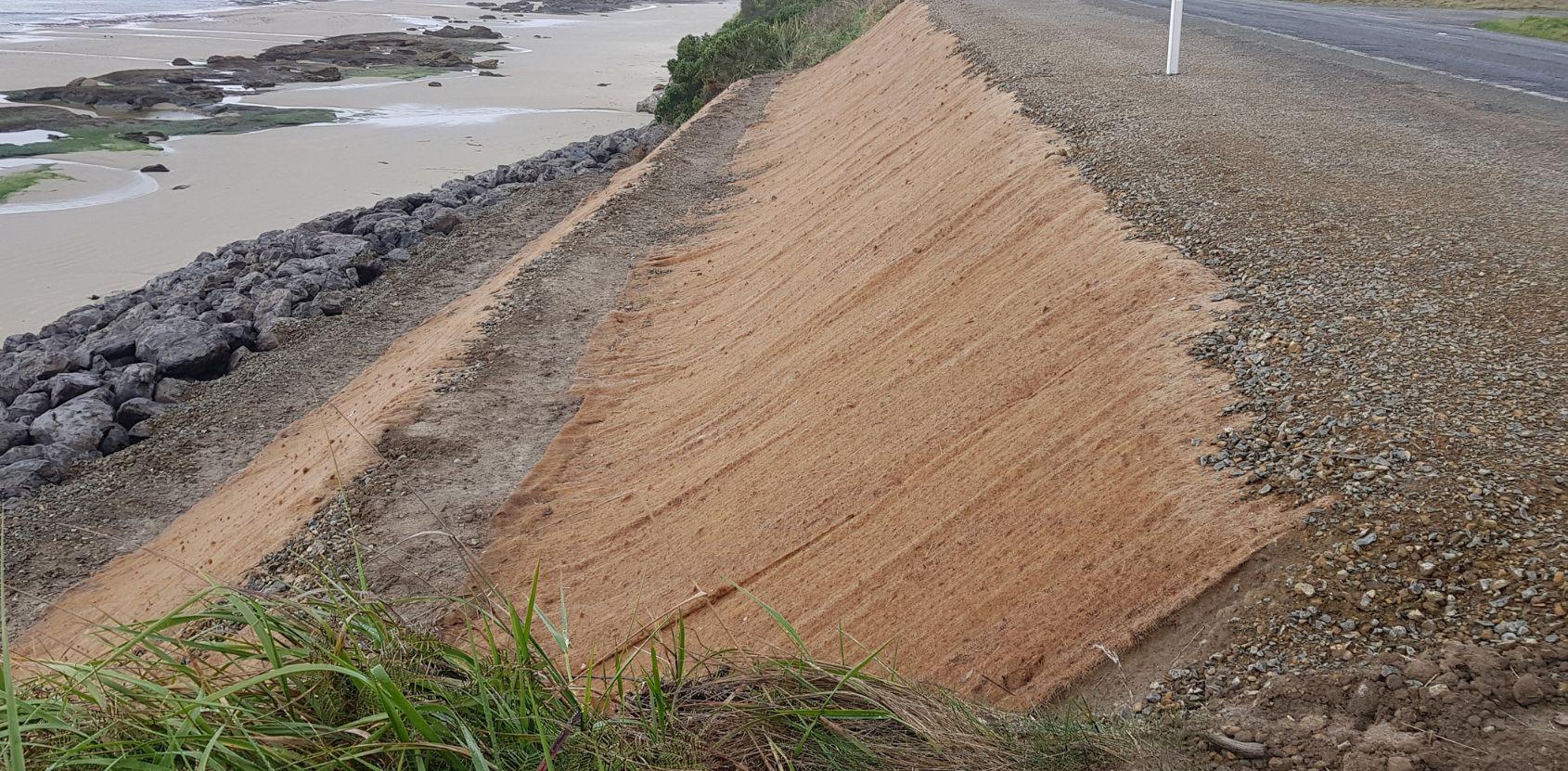
A section of SH1, located next to Katiki Beach in the South Island of New Zealand carries heavy commercial vehicles along a coastal route that has experienced ongoing erosion over the last century. In July 2017, Dunedin recorded 157 millimetres of rainfall, which was 274% of the usual monthly total and the third-highest July rainfall on record since 1918. This extreme weather caused significant erosion, resulting in edge seal cracking within one metre of the southbound lane and cracks along approximately 35 metres of roadway.
Alternate routes through the area were unable to accommodate the SH1 traffic load, making closures for repair or maintenance impractical. The client approached Geofabrics to develop a long-term coastal erosion solution that could be implemented without heavy equipment or extended road closures.
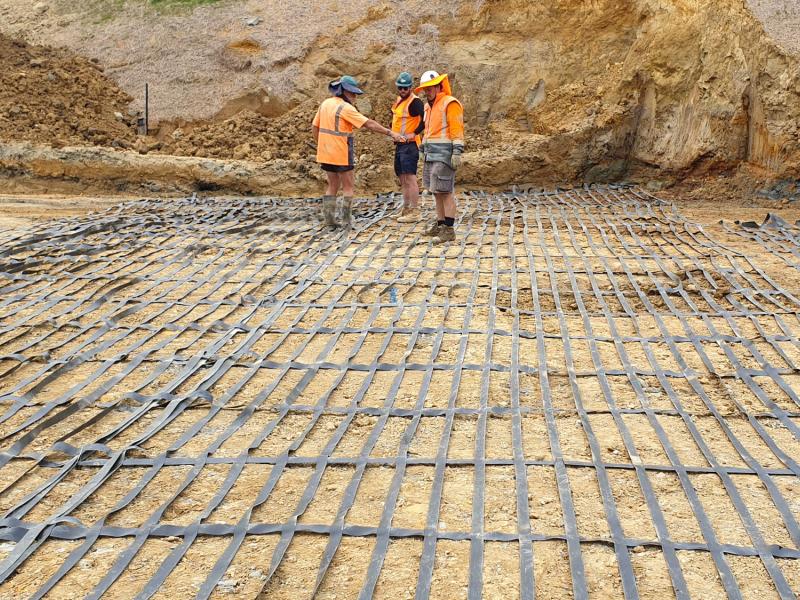
The existing slip mass could not be relied upon to provide shoulder support or to bear new retaining structures, so a self-supporting mechanically stabilised earth (MSE) structure reinforced with geogrid was proposed. Geofabrics’ design engineers undertook multiple iterations to optimise the length and terrace height of the MSE, ensuring that the existing highway would not be undercut beyond a 1:1 slope.
The existing slip mass could not provide shoulder support or bear new retaining structures, so a self-supporting mechanically stabilised earth (MSE) structure reinforced with geogrid was proposed. The design engineers optimised the MSE length and terrace height to ensure the highway would not be undercut beyond a 1:1 slope.
Internal stability checks, including a limit equilibrium seismic design with a horizontal acceleration of 1.96 m/s² (0.18 g), confirmed that the reinforced earth and geogrid structure exceeded the minimum safety factor of 1.65 for shearing, overturning, and lateral sliding.
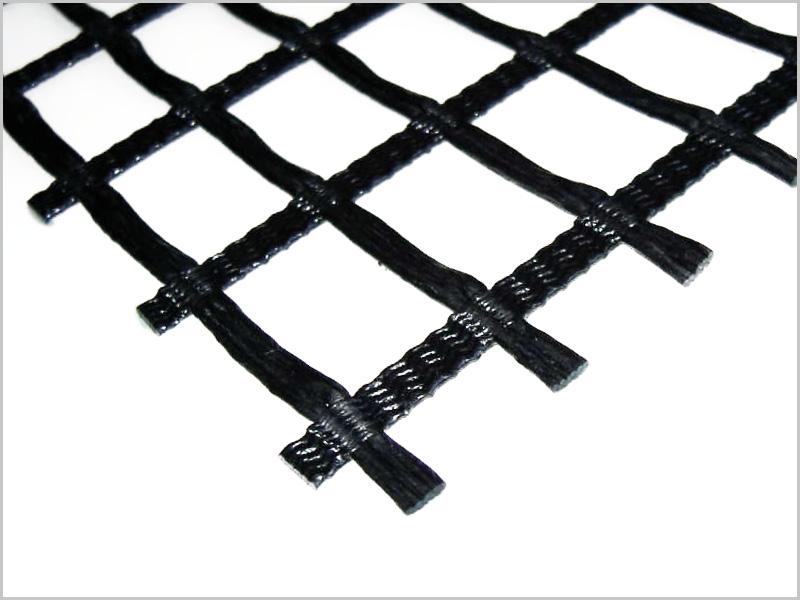
The approved solution involved constructing a nine-metrehigh Miragrid GX100 geogrid-reinforced embankment to reinstate the eroded slope. Additional protection included a two-metre-thick layer of armour rock at the slope toe, extending one metre below the lowest historic beach level. Bidim® Green A64 non-woven geotextile was placed beneath the reinforced fill, and an erosion control mat was installed on the surface to encourage revegetation, with rip-rap at the toe for extra stability. The road shoulder was reinstated to a minimum width of three metres to allow future bicycle access, with a rope barrier installed on properly supported ground.