Image


Design Considerations for Reinforced Soil Structures
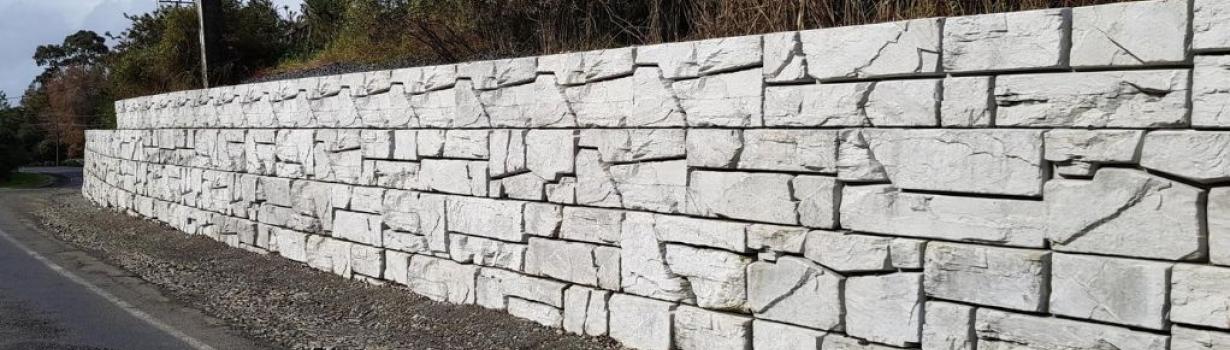
Since geosynthetic reinforced soil structures were first introduced more than 50 years ago, their design has evolved significantly over time. Advances in design methodologies, industry standards, and computer modelling software have given engineers greater confidence when designing reinforced soil walls and slopes.
Drawing on more than 30 years of reinforced soil design experience, Geofabrics NZ Technical Manager, Gordon Stevens will explore the key considerations associated with designing reinforced soil structures. The presentation will examine the influence of reinforced fill properties on slope stability, the importance of soil testing in reducing design risk and project costs, and the need for a holistic approach to design. Gordon will also discuss how different failure mechanisms influence reinforcement requirements and how clearly defined design responsibilities can help improve project outcomes. To conclude, the presentation will explore how reinforcement spacing influences wall deformations.
Gordon Stevens is Technical Manager for Geofabrics New Zealand. He holds a 4 year Higher National Diploma in Civil Engineering and has been involved in the design and use of geosynthetics into infrastructure projects throughout New Zealand, the Pacific and Papua New Guinea for over 30 years. A member of the International Geosynthetic Society, Gordon’s area of expertise includes reinforced soil and retaining wall design where he has delivered numerous training courses and technical papers.